What tule fog is
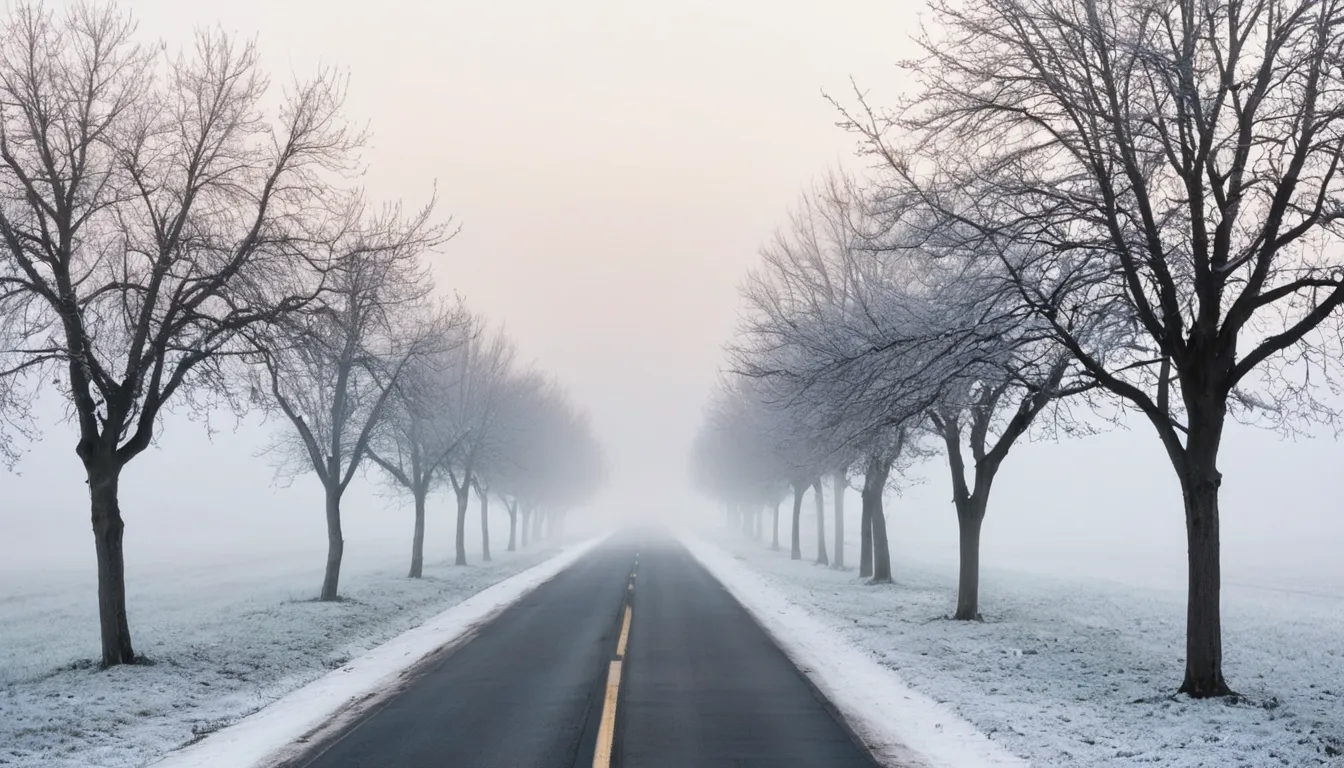
Tule fog is named after the tule, a tall marsh plant of the valley's wetlands. It is a radiation fog. On calm, clear winter nights, the ground loses heat fast and cools the damp air just above it until the moisture condenses into fog. Rain soaks the ground, so the fog is most likely in the days after a winter storm, once the sky clears and the wind drops.
The fog can sit in the valley for hours, and sometimes for days in a row, while the foothills above stay sunny. It often forms overnight, is thickest around dawn, and may or may not burn off by the afternoon.
When and where it forms
The season usually runs from late fall through winter, with the most foggy mornings in December and January. Every winter is different. Low, open ground forms fog first: farmland, river bottoms and the wide flats along I-5 and Highway 99 south of the city, and the Yolo Bypass on I-80 west of town. Fog can be patchy, with clear air one minute and a white wall the next.
Why it is so dangerous
The real danger is the change in visibility. A driver moving at freeway speed in clear air can run into dense fog and lose sight of the car ahead almost at once. Fog has caused large chain-reaction crashes on valley freeways over the years. The CHP sometimes paces traffic through the worst stretches, leading lines of cars at a safe speed. If you see a patrol car doing this, follow its lead and do not pass.
How to drive in fog
- Slow down before you enter it. Drive at a speed that lets you stop within the distance you can see.
- Use low beams. High beams reflect off the fog and make it harder to see. Use fog lights if your car has them. California law requires headlights in poor visibility and whenever your wipers are on continuously because of the weather.
- Leave a big gap. Increase your following distance well beyond normal, since the car ahead may stop suddenly.
- Use the right edge as a guide. Follow the painted line on the right edge of the road. Don't steer by the taillights ahead, which can lead you off the road with them.
- Turn down distractions. Switch off the radio, crack a window to listen for traffic, and keep both hands on the wheel.
- Don't stop in a lane. If you need to stop, pull completely off the road as far as you safely can, and turn on your hazard lights. A car stopped in a lane in fog is very hard for other drivers to see.
When to wait it out
The best fog strategy is often not to drive in it. If a dense fog advisory is out, ask whether the trip can wait until late morning, or whether a route through less foggy areas will do. The National Weather Service office in Sacramento issues fog advisories, and Caltrans QuickMap shows incidents and closures.
Fog questions
Why does fog form in the valley but not in the hills?
Cold, heavy air settles in low ground on calm nights, and that is where the fog forms. Higher ground can sit above the fog layer in sunshine.
Should I use hazard lights while driving in fog?
Rules on hazard lights while moving vary, and flashing lights can confuse other drivers about whether you are stopped. Check the California Driver Handbook for current guidance. Low beams and a safe speed are the basics.