What summer is like
The Sacramento Valley has a Mediterranean climate: wet winters and long, dry, sunny summers. From about June through September, afternoons are often in the 90s°F and heat waves push well past 100°F. Many evenings cool off when the Delta breeze blows in from the San Francisco Bay, but a parked car in the sun heats up fast whatever the evening brings. The National Weather Service issues heat advisories and warnings when it is especially hot.
Getting your car ready
- Cooling system. Have the coolant level and hoses checked. An overheating engine is one of the most common summer breakdowns.
- Tires. Check pressure when the tires are cold, using the figure on the sticker inside the driver's door. Look for cracks and worn tread.
- Battery. Heat wears batteries out. If yours is getting old, have it tested.
- Air conditioning. Get it serviced before the first heat wave, not during one.
- Wipers and washer fluid. Dust and bugs build up on summer drives.
Protecting passengers, children and pets
The inside of a closed car in the sun gets far hotter than the air outside, and it happens within minutes. Cracking a window does not keep it safe.
- Never leave a child, an older adult or a pet in a parked car, even for a quick stop.
- Make a habit of checking the back seat every time you get out.
- Seat belt buckles, car seats and steering wheels can burn skin. Use a sunshade and check surfaces before buckling a child in.
- Carry water for everyone in the car, and more than you think you need on long trips.
If you see a child or animal alone in a hot car and they look in distress, call 911.
Long drives on valley highways
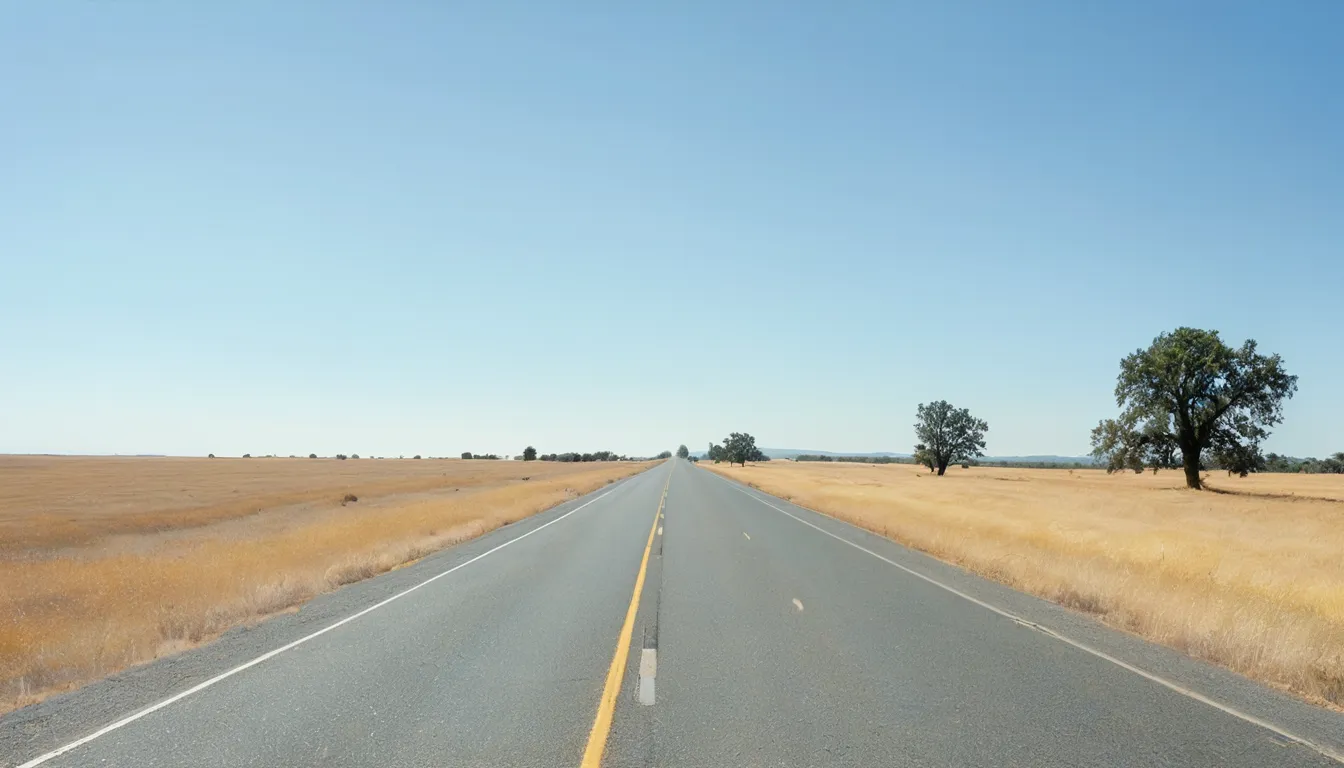
I-5 and Highway 99 run for long distances across open, hot farmland. Fill up before the tank gets low, plan rest stops, and drive in the morning or evening when you can. Watch for signs of heat illness in yourself and your passengers: headache, dizziness, nausea, heavy sweating or confusion. Pull over somewhere safe, cool down and drink water. Severe symptoms need emergency help.
Smoke and dust
Summer and fall are also wildfire season in California. Smoke can lower visibility and air quality across the valley, sometimes from fires far away. On smoky days, use the recirculate setting on your air conditioning, turn on your headlights if visibility drops, and check road closures near any active fire on Caltrans QuickMap.
If you break down in the heat
- Get as far off the road as you safely can and turn on your hazard lights.
- If the engine is overheating, turn it off. Do not open a hot radiator cap.
- Stay out of traffic lanes. On a freeway, it is usually safest to stay in the car with your seat belt on, unless it is unsafe to stay there.
- Call for help, and drink water while you wait.
Heat questions
Can heat really damage tires?
Hot pavement and underinflated tires are a bad mix, because an underinflated tire flexes more and builds more heat. Keeping pressure at the recommended level is the simplest protection.
What is the Delta breeze?
It is a cooling wind that flows inland from the San Francisco Bay through the Delta in the evening, often bringing relief after a hot day.